
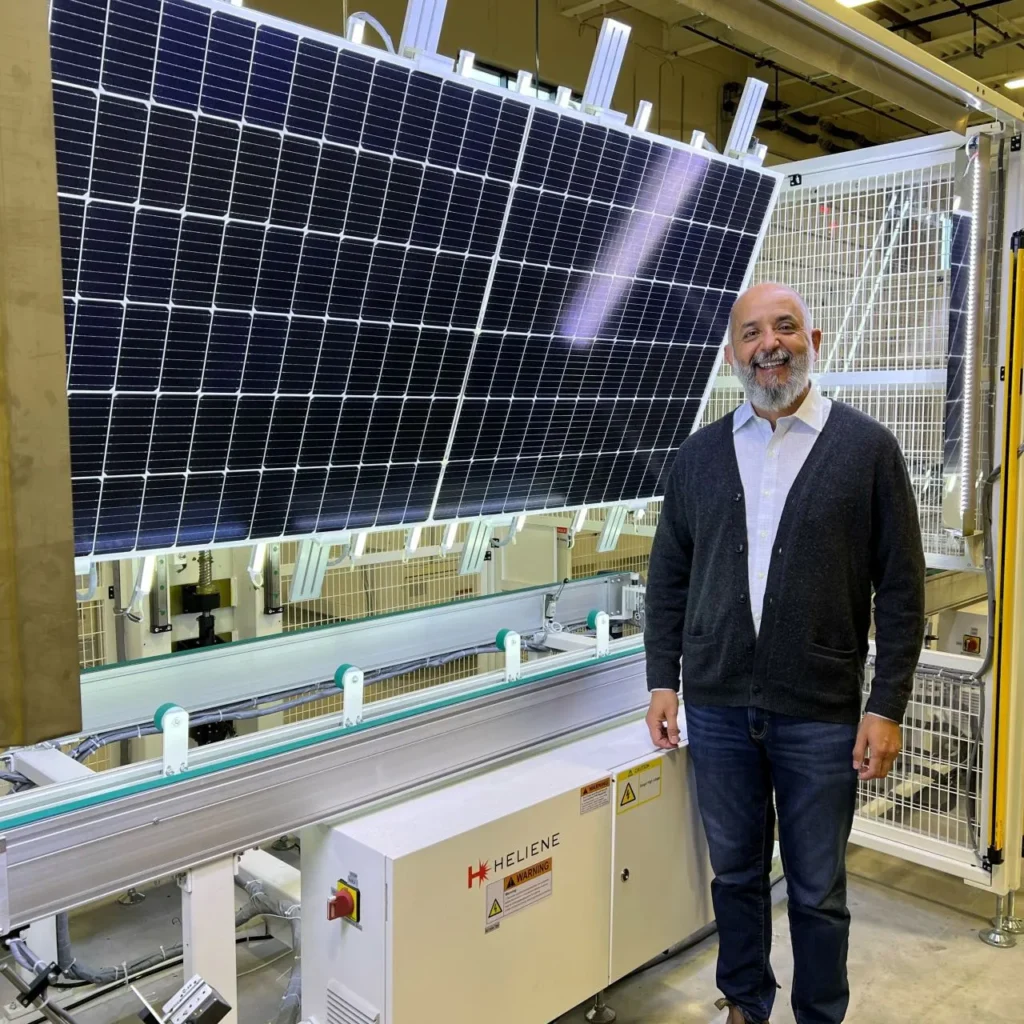

In the global shift toward cleaner energy, solar power has moved from an emerging technology to a central pillar of modern electricity generation. As countries work to strengthen energy security and reduce carbon emissions, attention is increasingly turning toward companies that can deliver not only innovation but also reliable, local manufacturing. One company that stands out in this conversation is Heliene Inc, a North American solar module manufacturer that has steadily carved out a meaningful position in the renewable energy landscape.
Heliene operates in a part of the industry that has become strategically important. While solar technology itself continues to advance, the ability to produce high-quality modules closer to end markets has taken on new significance. Supply chain disruptions, shifting trade policies, and growing demand for domestically produced components have reshaped how developers, utilities, and governments think about sourcing solar equipment. Heliene’s growth story reflects many of these broader industry dynamics.
Founded with a focus on delivering dependable solar solutions, Heliene has positioned itself as a manufacturer committed to quality, consistency, and long-term partnerships. Rather than chasing rapid expansion at any cost, the company has emphasized disciplined growth, operational efficiency, and strong customer relationships. This approach has helped Heliene earn credibility in a competitive sector where reliability can be just as valuable as technological breakthroughs.
At its core, Heliene’s business revolves around the design and production of solar photovoltaic modules. These modules serve as the fundamental building blocks of solar energy systems, converting sunlight into electricity. While the underlying technology may appear straightforward, the manufacturing process is complex and highly sensitive to quality control. Small variations in materials, assembly, or testing can significantly impact performance, durability, and long-term energy output.
Heliene’s manufacturing philosophy centers on precision and process discipline. By maintaining tight control over production standards, the company aims to deliver modules that meet rigorous performance expectations across a variety of climates and operating conditions. This focus on quality has particular relevance in North America, where projects often span diverse environments ranging from extreme cold to high heat and humidity.
One of Heliene’s defining characteristics is its commitment to regional manufacturing. As the renewable energy industry has matured, concerns about overreliance on distant supply chains have become more pronounced. Developers and policymakers alike have recognized the benefits of having robust local production capacity. These benefits include shorter lead times, reduced logistical risk, and greater alignment with domestic economic priorities.
Heliene’s manufacturing footprint reflects this regional strategy. By establishing and expanding facilities within North America, the company supports a growing ecosystem of local suppliers, skilled labor, and project developers. This localized presence can offer practical advantages for customers who value predictability and responsiveness, particularly in large-scale utility or commercial projects where timing and coordination are critical.
Beyond manufacturing, Heliene’s value proposition extends into collaboration and customer support. Solar projects are rarely one-size-fits-all. They vary in scale, technical requirements, financing structures, and regulatory environments. In this context, manufacturers are often expected to function as strategic partners rather than simple equipment providers.
Heliene has built its reputation in part by working closely with project stakeholders to align product specifications with real-world needs. This may involve tailoring module configurations, supporting certification processes, or assisting with performance modeling. Such collaboration can help reduce project risk and improve overall system outcomes, especially in complex or high-stakes deployments.
Another important aspect of Heliene’s business model is its alignment with evolving market priorities. Renewable energy markets are shaped by a combination of economics, policy, and technological change. Incentives, tax credits, and domestic content requirements increasingly influence procurement decisions. Manufacturers that can adapt to these shifting frameworks often gain a competitive edge.
Heliene’s regional manufacturing strategy places it in a favorable position within policy environments that encourage or mandate locally produced components. As governments seek to stimulate domestic clean energy industries, companies with established local operations may benefit from stronger demand and deeper integration into national energy strategies.
Sustainability also plays a central role in Heliene’s narrative. While solar energy is widely recognized as a clean power source, the environmental footprint of manufacturing remains an important consideration. Stakeholders are paying closer attention to lifecycle impacts, including material sourcing, energy use in production, and end-of-life recycling.
Heliene’s emphasis on efficient manufacturing processes and durable products aligns with this broader sustainability conversation. Modules designed for long operational lifespans can improve the overall environmental profile of solar installations. Similarly, efforts to optimize production efficiency contribute to reducing resource intensity and waste.
The company’s growth trajectory reflects the steady expansion of solar adoption across North America. Solar energy has moved well beyond niche applications, becoming a mainstream component of utility portfolios, commercial energy strategies, and residential systems. Falling technology costs, improved performance, and supportive policies have driven this momentum.
As demand has increased, so too has the need for dependable suppliers capable of meeting project timelines and performance standards. Heliene’s focus on consistency and reliability resonates in this environment. For developers managing multi-year investment cycles, confidence in equipment quality and delivery can be a decisive factor.
Heliene’s story also illustrates the broader transformation of the renewable energy industry. What was once a sector dominated by early-stage experimentation has matured into a highly structured, capital-intensive market. Large utilities, institutional investors, and global corporations now play central roles. This evolution places new expectations on manufacturers in terms of scale, transparency, and operational excellence.
In this context, Heliene’s measured, quality-driven approach can be seen as a strategic choice. By prioritizing stable operations and strong partnerships, the company aligns itself with customers who value long-term performance over short-term cost advantages alone. This positioning may not always produce the fastest growth, but it can foster durable business relationships.
Looking ahead, the renewable energy landscape continues to evolve. Advances in cell technology, module efficiency, and system integration are reshaping performance benchmarks. At the same time, grid modernization, energy storage, and electrification trends are expanding the role of solar within broader energy systems.
For Heliene, these trends present both opportunities and challenges. Staying competitive requires ongoing investment in technology, manufacturing capabilities, and workforce development. It also demands agility in responding to policy shifts, market cycles, and changing customer expectations.
Yet the company’s core strengths remain relevant. A clear focus on quality, regional manufacturing, and collaborative partnerships provides a foundation for continued participation in North America’s clean energy growth. As the industry places increasing emphasis on resilience and local value creation, Heliene’s strategic orientation may continue to support its market position.
Ultimately, Heliene’s role within the renewable energy ecosystem highlights an important dimension of the energy transition. Innovation and deployment often capture headlines, but manufacturing excellence underpins the practical realization of clean energy goals. Reliable, high-quality modules are essential to translating policy ambitions and investment plans into functioning solar assets.
In that sense, Heliene represents more than a single company’s success story. It reflects a broader shift toward strengthening domestic clean energy capabilities, improving supply chain resilience, and reinforcing confidence in renewable technologies. As solar power continues to expand its share of the energy mix, manufacturers like Heliene remain central to the industry’s long-term trajectory.


© 2026 Focus Outlook